My Grandfather Charles Manson Documentary Review
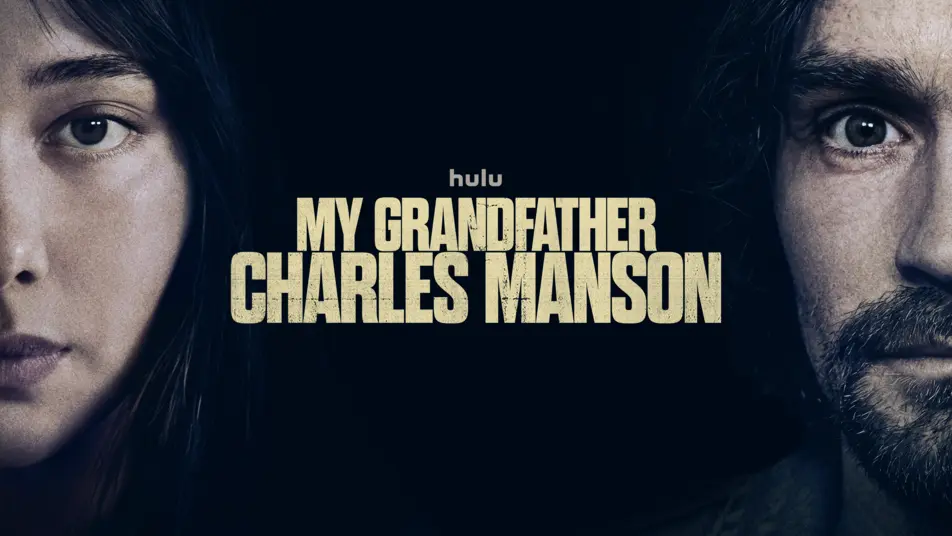
My Grandfather Charles Manson is a documentary that follows Sophia Maddox, who has always seen herself as the responsible one in her family and her father’s biggest source of support. Her search to identify her unknown grandfather leads to an almost unimaginable discovery: her grandfather is Charles Manson. As she begins investigating her family history, Sophia finds herself pulled into the complicated world of former Manson Family members, conflicting accounts, and newly uncovered records and audio recordings that shed additional light on Manson’s life. At the same time, every new revelation puts increasing strain on her already fragile relationship with her father.
Screener provided by studio however, all thoughts and opinions my own. This post contains affiliate links.
Maddox begins researching on her own after her father basically says he doesn’t want to be involved. She visits a boy’s home that Manson was held in, interviews people that knew him but doesn’t dig too deep into her grandmother’s relationship with Manson for whatever reason.
The documentary takes a strange turn after Maddox interviews former Manson associate and Family survivor Stephanie Schram. Along with Kitty Lutesinger, Schram fled Barker Ranch after becoming frightened and eventually encountered a sheriff who helped them leave. Instead of focusing on Schram’s firsthand experiences, the conversation shifts when Schram shows Sophia her collection of books about the Manson Family. Sophia has a visceral emotional reaction afterwards, crying and questioning the books, even though Schram openly acknowledges that her own memories aren’t perfect.

The moment and Maddox’s reaction feels weirdly misplaced. Rather than engaging with someone who lived through the events, Sophia appears more upset about the existence of books she views as anti-Manson than about the trauma Schram endured. It’s a striking portrayal of someone directing her anger at the wrong target.
There are other strange moments in My Grandfather Charles Manson like when a former Beach Boy’s photographer sexually harrasses Maddox. Again a weird moment in the documentary that should have been shut down immediately but she stands there uncomfortable instead of challenging his disgusting behavior.
In contrast, one of the documentary’s strongest moments comes when Maddox sits down with Manson survivor Dianne Lake. Lake calmly explains that Manson could be charismatic and affectionate while also being an abusive predator who manipulated and exploited the young women around him. She speaks honestly about being only 14 years old when she became involved with the Family and gently reminds Maddox that the situation was far more complicated than outsiders often understand. It’s one of the film’s most compassionate conversations, offering the perspective that much of the documentary is searching for.

Ready for your next movie night? From epic Marvel adventures to heartwarming Disney classics, it’s all streaming on Disney+. Sign up now and start watching fan favorites, new releases, and exclusive originals—only on Disney+! 💫
For me, though, the real story isn’t Charles Manson. It’s the relationship between Sophia and her father.
Her father is clearly wrestling with his own identity and mental health. He openly admits that in 2017 he walked away from his entire life and ended up living on a park bench. Throughout the documentary, he is verbally abusive toward Sophia, and there’s one particularly disturbing scene where he calls her horrific names. I was honestly surprised she chose to leave that footage in the final cut.
By the end, I didn’t come away thinking this was a documentary about Charles Manson or even about uncovering family history. It felt like a documentary about a deeply fractured father-daughter relationship. Both Sophia and her father seem desperate to explain their struggles through their connection to Manson, when what we’re actually watching looks far more like untreated mental illness, unresolved trauma, and years of emotional dysfunction. Their family history may help explain some of their pain, but it really doesn’t excuse it or replace the need to take responsibility for their own healing.

Other Documentary Reviews