Beth Is Dead: How a Classic Novel Becomes a Dark, Modern Murder Mystery
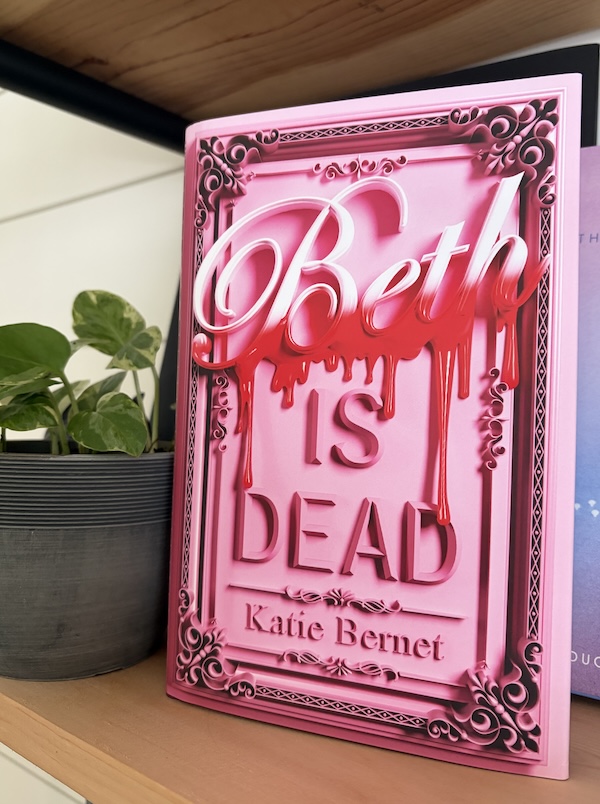
Reimaginings of literary classics are always a risk, but Beth Is Dead takes that risk and runs with it in a way that feels bold, unsettling, and surprisingly emotional. Read on for a spoiler-free review of the novel Beth is Dead, by Katie Bernet and published by Simon & Schuster.
Publisher provided a ARC for review, however all thoughts and opinions our own. This post contains affiliate links. We earn a small commission for items purchased.
This modern retelling of Little Women hinges on one devastating change: Beth March doesn’t die quietly of illness—she’s murdered. And from that moment on, Beth is Dead becomes less about nostalgia and more about grief, secrets, and the uncomfortable truths families often try to avoid.
The novel follows Meg, Jo, and Amy March in the aftermath of Beth’s death as they attempt to piece together what happened. What begins as a quest for justice quickly spirals into something far more complicated. Each sister is wrestling with her own guilt, ambition, and resentment, and the line between love and self-preservation grows increasingly thin. The author leans into the tension between the sisters rather than smoothing them over, and their relationships feel raw and complicated.
Readers familiar with the novel Little Women will recognize many of the beloved characters, but they’re all reimagined with sharper edges. Laurie is still charming and enigmatic, but here he’s concealing a secret connection with Amy that raises questions about loyalty and timing. John, Meg’s love interest, is present and supportive, yet his proximity to Beth and the family leaves an unsettling sense of uncertainty about how much he truly knows. That constant undercurrent of doubt keeps the mystery simmering beneath every interaction.
The parents are also thoughtfully reimagined in ways that expand the story. The March father has written a novel clearly inspired by his daughters (essentially Alcott’s Little Women) without their consent. The public response to the book, and the way it shapes the sisters’ identities in the public eye, adds a very interesting layer to the novel. Meanwhile, the March mother is portrayed as an overworked nurse, emotionally and physically drained, grounding the story in the quiet exhaustion of caregiving and loss.
One of the most compelling arcs in Beth is Dead belongs to Amy. The fallout from her father’s book reinforces her public image as the spoiled or difficult sister, and her struggle to reclaim her identity is handled with nuance and empathy. It’s a reminder of how labels can harden over time—and how deeply they can affect someone already drowning in grief.
The mystery itself is well-paced and genuinely engaging, with revelations unfolding in ways that feel earned rather than rushed. Character development is where the book truly shines; every decision feels weighted, every relationship strained by the absence of Beth. While the novel carries a YA label, it doesn’t shy away from complex emotional territory or darker themes.
Beth Is Dead works both as a smart murder mystery and as a thoughtful novel that explores of family, identity, and loss. You don’t need to be a die-hard Little Women fan to appreciate it, but if you are, this fresh perspective may challenge the way you’ve always seen the March sisters, and that’s exactly what makes it such a good read.